- verantwortliche Lehrperson: Tracey Ann Meintrup-Cooper
Kursbereich: Anglophone Studien
ePortfolio: Nein
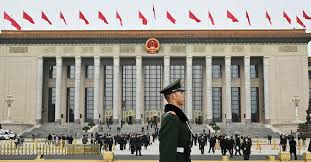
This course provides a foundational bachelor-level introduction to contemporary Chinese politics and society. It is aimed at learners who want to gain a basic understanding of China’s political system and the main societal trends in the country. After completing the course, you will recognize China’s central political institutions and have a general understanding of the policy implementation process in China. You will also understand significant long-term trends prevalent in Chinese society, including migration, inequality, an aging population, digitalization, and the role of civil society.


This course serves as a complement to the lecture "Introduction to Literary Studies". Basic topics introduced in the lecture will be discussed in detail in each of the courses, with a particular focus on the most important literary genres – poetry, drama and narrative fiction. We will help you to acquire a good command of the basic analytical techniques in the field of Anglophone literary studies. The structure of all Introductory Courses to Literary Studies (Grundkurse) is identical. A variety of texts will help illustrate important aspects of literature such as the characteristics of the major epochs and genres, literary theories as well as various approaches to literature, etc. The texts to be discussed will be taken from a number of regions across the Anglophone world. You need to read and prepare texts in advance of sessions and actively participate in the classroom debates on a regular basis, and you will also need to write a number of short assignments. Once again: You must take both the lecture and one of the Grundkurse. You will need the Reader and the two books mentioned above for your Grundkurs as well as for the lecture.
Die Einführungsveranstaltung in die Literaturwissenschaft besteht aus der Vorlesung “Introduction to Literary Studies” und einem ergänzenden Seminar, in dem das in der Vorlesung behandelte Fachwissen an exemplarischen Beispielen veranschaulicht und vertieft wird. Die Vorlesung wird jedoch immer nur im Wintersemester angeboten, dieses Semester wird nur das Grundkursseminar angeboten.
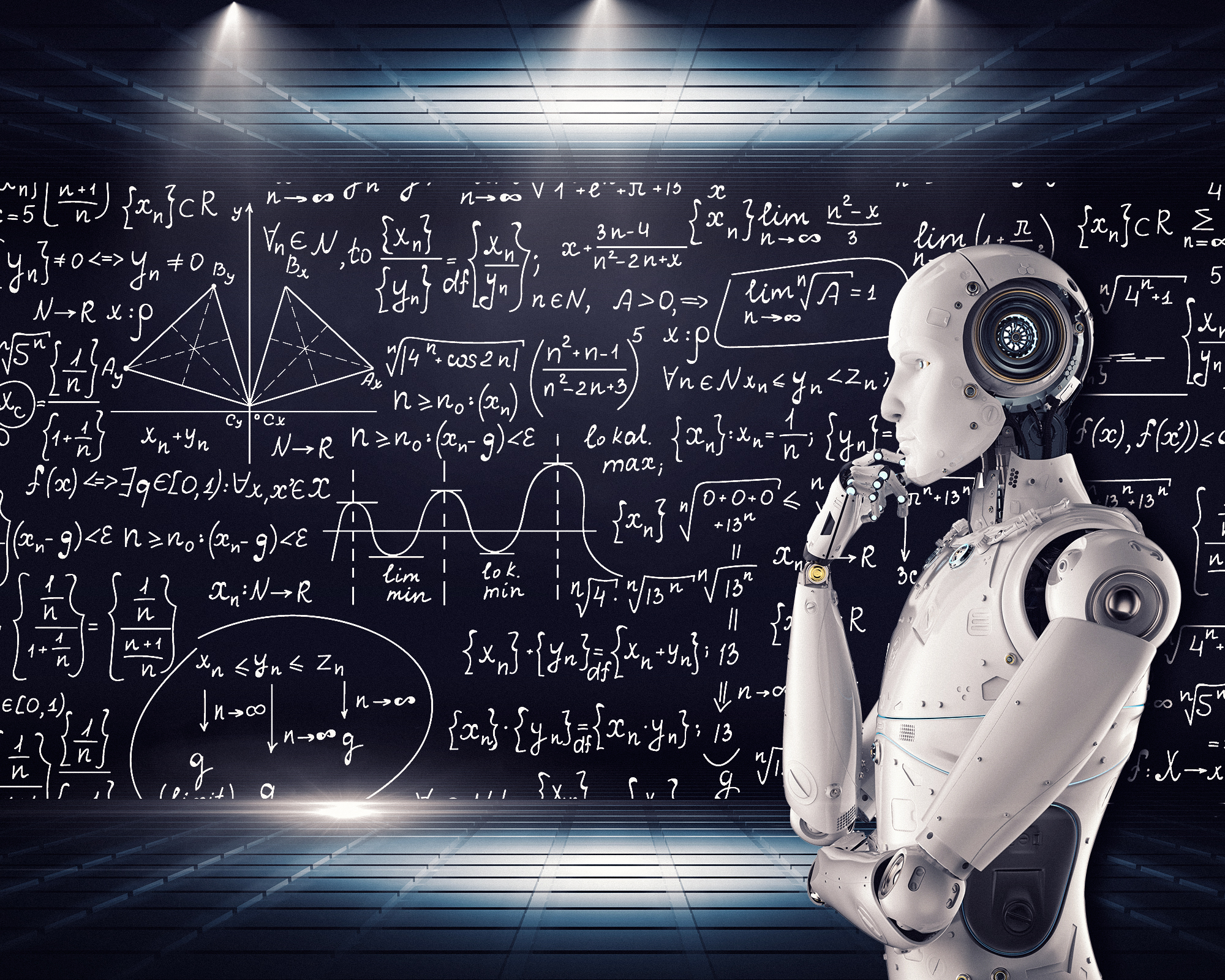
Ziel dieses Kurses ist Erwerb Grundkenntnisse des Umgangs mit Datensätzen (Data Science) mit Elementen der Statistik sowie des Aufbaus automatisierter Lernverfahren (Machine Learning) mit Elementen Künstlicher Intelligenz und deren Anwendung in der Physik.
Inhalte: Mathematische Statistik einer und mehrer Variablen sowie Zeitreihen; stochastische Prozesse; Erstellung probabilistischer Modelle und Parameterschätzung; lineare und nichtlineare Regression; Datenverarbeitung; datengetriebene Modellbildung via Bayessche Inferenz: Umgang mit Unsicherheit und kontinuierliches Lernen;
Maschinelles Lernen: überwachtes vs unüberwachstes Lernen, Klassifikation und Clustering; logistische Regression und neuronale Netze; Generalisierung und Overfitting; Modellwahl und Dimensionalitätsreduktion; Modelloptimierung: Loss-Funktion und Regularisierung; Modelllvalidierung; Anwendungen an physikalischen Datensätzen;
Ausblick: Analyse dynamischer Informationen in komplexen Systemen
Voraussetzungen: Grundkenntnisse in Mathematik und Programmierung in Python werden vorausgesetzt. Diese Lehrveranstaltung wird durch Computerpraktikum ergänzt, in dem Umgang mit Daten sowie die Anwendung der Methoden geübt wird und durch kleines Projekt zu physikalisch motiviertem Problem abgeschlossen wird. Aktive Teilnahme wird erwartet.

In der Lehrveranstaltung Introduction to Multi-Physics Simulation des 6. Semesters wird eine Einführung zur numerischen Simulation von multi-physikalischen Problemen für technische Anwendungen in der Medizin gegeben. Es handelt sich dabei um Anwendungen, die mittels mindestens zweier physikalischer Phänomene zu beschreiben sind. Die Veranstaltung orientiert sich an typischen Beispielen aus dem weiten Bereich der Medizintechnik, welche mit der Software COMSOL Multiphysics (TM) numerisch gelöst werden. Für die multi-physikalische Simulation ist die genannte Software auf Basis der Finiten Elemente Methode (FEM) eine der weitverbreitetsten.
Die praktische Arbeit mit dem Simulationswerkzeug ist ein wichtiger Bestandteil der Lehrveranstaltung. In deren Verlauf werden die Teilnehmer in Form einer "kleinen" Projektarbeit eine eigene Multiphysics-Simulation in COMSOL durchführen und über die Ergebnisse berichten.
Termine: jeweils Mittwochs von 14:00 Uhr bis 17:00 Uhr (ab 22.04.2026, vorbehaltlich).
Raum: BA328
Die Anmeldung für diesen Kurs erfolgt über LSF.
This is an introductory course to programming using a language called Python. Learn how to read and write code as well as how to test and "debug" it. Designed for students with and without prior programming experience who'd like to learn Python specifically. Learn about functions, arguments, and return values (oh my!); variables and types; conditions and Boolean expressions; loops; and objects and methods. Plus exceptions, file I/O, and libraries. Hands-on opportunities for lots of practice. Exercises inspired by real-world programming problems.
Love has been a subject of much fascination, often even obsession, both in and outside academia. Philosophers have always had a lot to say about the topic, but it is only very recently that love became a central issue in analytic philosophy. The philosophy of love, now an established domain of inquiry, has been booming in last twenty years or so. Informed by other domains of philosophical inquiry such as the philosophy of mind, metaphysics, epistemology, the philosophy of normativity, and ethics, as well as the empirical sciences, the philosophy of love has grown in unprecedented sophistication.
This seminar will be given in the context of a book-length introduction to the philosophy of love the instructor is currently writing. It will consist in a discussion of both contemporary texts in philosophy of love and chapter drafts of the book.
This course will be a seminar taught in English, and will consist mainly in discussion on assigned readings. Active engagement with the texts and participation in class are essential. Texts will be circulated electronically.


EN: In this course students of the bachelor study program Moderne Ostasienstudien will gain a comprehensive overview of the societies of Japan and Korea. The topics will cover post-war and current developments as well as emerging concerns in modernisation, social structure, youth, gender and change in civil society respectively.
DE: Studierende dieser Veranstaltung im Bachelorstudiengang Moderne Ostasienstudien erhalten einen umfassenden Einblick in die Gesellschaften Japans und Koreas. Die Themen decken jeweilig die Entwicklungen in der Nachkriegszeit als auch der Gegenwart sowie sich abzeichnende Problemstellungen in der Modernisierung, der Sozialstruktur, Generationenwandel, Genderfragen, Migration und Zivilgesellschaft.
Moodle an der UDE ist ein Service des ZIM